Tourism Is the Fabric, Not the Fringe
Tourism isn’t a side industry or a nice-to-have. It’s woven into how people gather, explore, celebrate, and participate in community life. This blog explores why tourism belongs at the centre of how we think about culture, economy, and wellbeing.
There’s a way tourism is often talked about that has always felt a bit off. It’s positioned as something that sits around the edges, adding value but not central to how a place functions. You’ll hear it described as an industry or a contributor to GDP, which is true, and actually in a big way, but it misses how it actually shows up in people’s lives.
When you look more closely, tourism isn’t separate from everyday life. It’s the restaurant you meet friends at, the festival that marks the start of summer, the trail you walk when you need a reset, the game you go to, the gallery you wander through, the market that becomes part of your weekend rhythm. These aren’t rare moments. They’re familiar and recurring, and they shape how people experience where they live.
Those same spaces are what visitors engage with when they arrive. The line between local life and visitor experience is thinner than we tend to think. It’s the same café, park, event, and shop, just experienced from a different starting point. That overlap is where tourism becomes something much more meaningful.
When that layer is strong, a place feels alive. There’s movement, participation, and a sense that people want to be out and engaged. Businesses are supported by a mix of locals and visitors, and experiences feel real because they’re part of everyday life.
When that layer weakens, the shift is noticeable. Fewer things are happening, fewer people are out, and the energy of a place starts to fade. It’s not just about fewer visitors. It’s about less participation overall.
A big part of this comes back to small businesses and local operators. They create the texture of a place, the experiences that give it personality, and the moments people remember. Individually they may seem small, but together they shape how a region feels and functions.
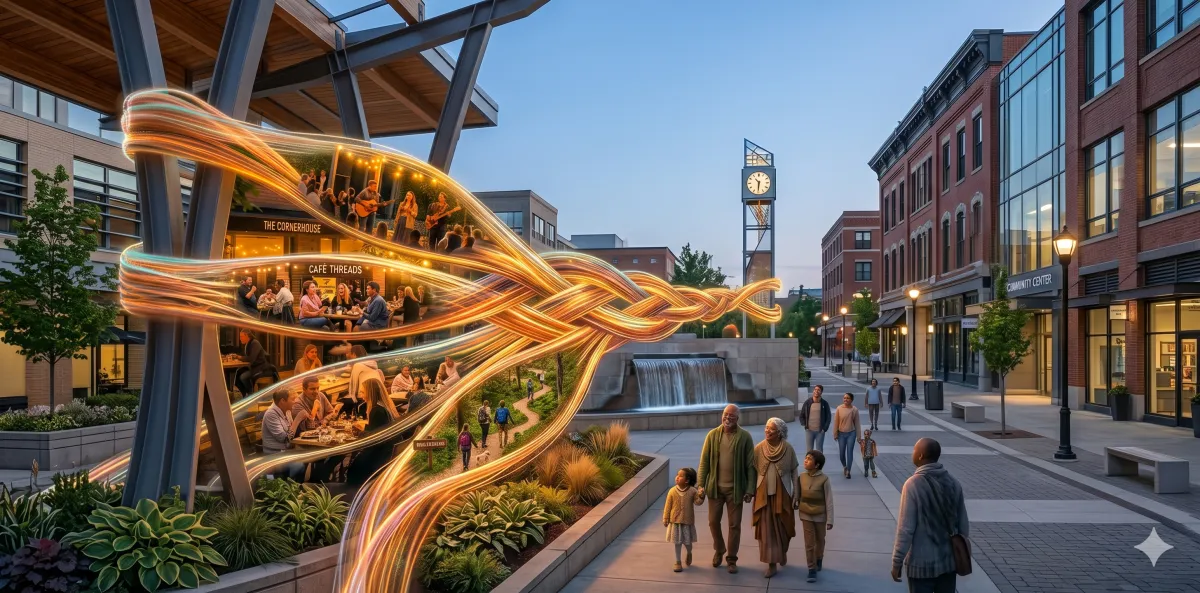
Tourism works the same way fabric does. It’s made up of many threads that hold things together. When enough of those threads weaken, the structure starts to give.
If we want stronger regions, we need to support what already exists and help it stay visible, sustainable, and connected. Because when that layer holds, everything else performs better.
Tourism isn’t sitting on the fringe.
It’s part of what holds a place together.
Ready to support the sector that supports us all?
#GetRoaming and let’s build a more connected, resilient, and thriving Canada, one traveller, one town, one story at a time.
Yours in tourism, innovation and startups,

Founder and CEO, Roamlii