Tourism is Infrastructure for Living Well
Tourism isn’t just an industry, it’s part of how we live, gather, explore, and connect. This blog looks at why tourism deserves more serious public investment, and how it shapes community, culture, and wellbeing across Canada.
There’s a tendency to think of tourism as something separate from everyday life, an industry, a category, a line item in an economic report, something important, yes, but still sitting slightly off to the side of the things we tend to label essential. Healthcare feels essential. Housing feels essential. Transportation feels essential. Tourism, for a lot of people, still gets treated like something extra.
I used to think about it more narrowly too. But the more time I’ve spent working in this space, and the more I’ve paid attention to how people actually live, the harder it’s been to maintain that separation. When you really look at tourism closely, it becomes obvious that it doesn’t live outside our lives at all. It’s woven directly into them.
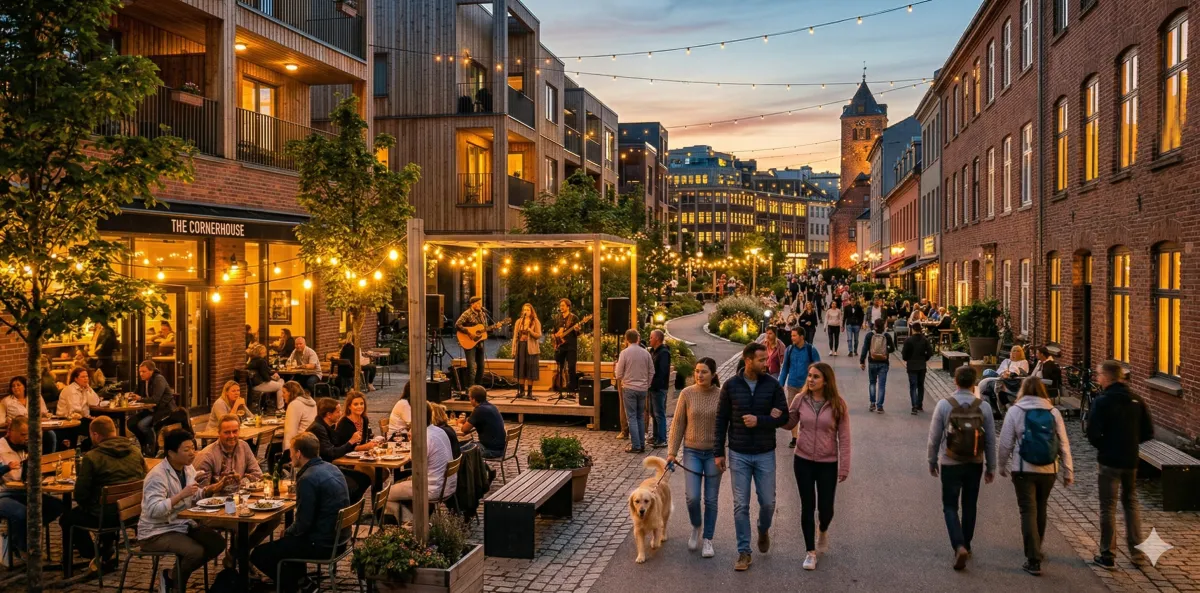
It’s the dinner you go out for on a Friday night, the festival you attend in your own city, the concert you build a weekend around, the trail you walk, the lake you visit, the gallery you wander through, the market you stop at on a Saturday morning. It’s the places you take visiting friends and family, the activities you say yes to when you want a change of pace, and the little experiences that make a town, city, or region feel alive. We don’t always label those things as tourism, but they are. They’re part of the same ecosystem that supports larger trips, bigger attractions, and destination travel. The difference is mostly one of scale.
That matters, because the same cafés, restaurants, venues, guides, artists, outdoor spaces, and experiences that serve visitors also shape the lives of the people who live there every day. That’s why I’ve come to think about tourism less as a standalone industry and more as a kind of infrastructure, not in the traditional sense of roads, pipes, and buildings, but in the sense of the systems and experiences that allow us to gather, explore, participate, and feel connected to the places around us.
When that infrastructure is strong, communities feel more vibrant. There are more reasons to get out of the house, more places to meet people, more opportunities to engage with culture, recreation, and local life. Businesses have a better chance of staying viable. Events have more support. Artists and organisers have more room to create. A place starts to feel like it has energy, rhythm, and a sense of participation built into it.
When that layer weakens, the shift is noticeable, even if people don’t always have the language for it right away. Fewer things are happening. Fewer spaces feel alive. Fewer people are participating in the life of the place around them. The texture changes. The social energy softens. What disappears isn’t just economic activity, it’s also part of the essence of living there.
That’s why I think we need to broaden how we talk about investment in tourism. If tourism helps support how people live, connect, and participate in community life, then the way we fund and develop it should reflect that reality. It shouldn’t only get attention when there’s a major event, a high-profile campaign, or a seasonal push to bring in more visitors. It deserves to be taken seriously as part of what helps communities function well, every day, throughout the year.
That doesn’t mean every investment needs to flow toward large-scale attractions or splashy destination campaigns. In fact, a lot of the most meaningful impact often comes from supporting the smaller, everyday experiences people actually engage with regularly. The café that anchors a neighbourhood matters. The local event that brings people together matters. The cultural space that gives artists a platform matters. The trail system that makes it easier for people to spend time outdoors matters. The independent operator creating something memorable for both locals and visitors matters.
These things may not always look grand in isolation, but together they form a huge part of the social and cultural fabric of a place. They’re often the reason people feel pride in where they live, the reason they bring others there, and the reason they stay engaged with their own community. They also happen to be some of the hardest things to support through traditional funding structures, because they don’t always fit neatly into predefined categories, they rarely align with an RFP, and they don’t always operate at a scale that garners attention from governments and makes institutions feel immediately comfortable.
That’s where the gap starts to show. We say community matters. We say culture matters. We say connection matters. But the systems that sustain those things don’t always receive the same level of attention, seriousness, or investment. Bigger, more visible initiatives tend to rise to the top, while the smaller layer underneath, the one that gives a place character and continuity, is often expected to somehow keep going on passion, grit, and very little oxygen.
Over time, that catches up with people. Experiences disappear. Events become harder to maintain. Small operators burn out. The variety that made a place interesting starts to thin out. Once those layers are gone, rebuilding them is incredibly difficult, because what’s been lost usually isn’t just a business or an event. It’s trust, momentum, participation, habit, and all the relationships wrapped around them.
From a tourism perspective, that loss has serious consequences. Visitors may still come for the headline attraction, but the richness of the experience changes. There are fewer side paths to explore, fewer unexpected discoveries, fewer reasons to stay a little longer, come back again, or spend more while they’re there. From a community perspective, the effect is even more immediate, because those same experiences are part of how people spend time, mark seasons, connect with one another, and enjoy the places they call home. And for the small business owners, a decline in tourism traffic can be deeply damaging to the bottom line. At every level, when a community experiences a downturn in tourism, the effects don’t stay contained. They ripple outward, creating a negative cascading effect across the local economy and the broader fabric of community life.
This is where I think the conversation around tourism and government investment needs to mature. It can’t just be about driving visitor numbers or creating short-term spikes in economic activity. It has to include the systems that help communities feel connected, engaged, and alive over time. That includes physical infrastructure, yes, but it also includes digital infrastructure that helps people discover what already exists, find relevant experiences, and participate more easily. It includes supporting local businesses and organisers in ways that acknowledge the role they play within a broader ecosystem. And it includes making room for innovation, especially from smaller, local teams building practical tools that actually reflect how people move, explore, and engage.
It also calls for more care in how new initiatives are introduced. Growth matters, of course, but growth without balance can create strain. Strengthening what already exists, helping it become more visible, more sustainable, and more connected, then building outward from there, tends to produce healthier outcomes than layering new things on top without considering what they might displace.
That kind of thinking requires intention. It requires a wider lens. It asks us to see tourism as part of how people live, not just part of how places market themselves.
Tourism is woven into how we experience life. It shapes how we gather, how we explore, how we celebrate, and how we connect with the places around us. And when we support it thoughtfully, we’re not just investing in visitor activity. We’re investing in the conditions that help people live well.
From where I sit, that shift changes a lot. It changes how we define value, how we measure success, and how we decide where support should go. It also changes how seriously we take tourism overall, because once you see how deeply it touches community life, culture, recreation, participation, and belonging, it becomes very difficult to keep treating it like an extra.
Ready to support the sector that supports us all?
#GetRoaming and let’s build a more connected, resilient, and thriving Canada, one traveller, one town, one story at a time.
Yours in tourism, innovation and startups,

Founder, Roamlii