Tourism for Locals, Too: Designing Experiences That Give Back
Tourism isn’t only about attracting visitors. When designed thoughtfully, it can enrich the places people call home. This blog explores how tourism experiences can benefit travellers while strengthening the communities that make those experiences possible.
One of the most interesting tensions in tourism is that the industry is constantly trying to attract people from somewhere else, while the places being promoted are already home to someone. It’s easy to focus on the visitor side of that equation, because that’s where the marketing energy usually goes. Campaigns, destination branding, seasonal promotions, all of it designed to bring people in. But the truth I’ve come to appreciate over time is that tourism works best when the people who live in a place feel just as good about it as the people who travel to it.
That might sound obvious, but it isn’t always how tourism gets designed.
When experiences are created purely with visitors in mind, the result can feel oddly disconnected from the life of the community around it. Restaurants cater only to tourists. Shops adjust pricing and product mix in ways that make locals feel like they're on the outside looking in. Public spaces begin to feel like stages rather than shared environments. None of that usually happens with bad intent, it’s simply the byproduct of chasing visitor dollars without thinking about the broader ecosystem that supports them.
What I’ve learned, both as someone who loves to travel and as someone who works closely with tourism operators across Canada, is that the most resilient tourism experiences tend to be the ones locals enjoy too.
When a café, market, tour, or event naturally fits into the rhythm of the community around it, it creates something far more stable than a visitor-only attraction. Locals return regularly. They recommend it to friends. They bring their visiting family members along when someone comes to town. Suddenly tourism isn’t something happening to the community, it’s something happening with it.
That distinction matters more than people often realise.
Visitors are incredibly perceptive when it comes to authenticity. You can feel when a place is alive with local energy. You can feel when people who live there genuinely enjoy it. And you can also feel when something exists purely because someone decided tourists would probably like it. The difference is subtle, but unmistakable.
Designing tourism experiences that serve both travellers and locals begins with a fairly simple shift in perspective. Instead of asking only, “What would visitors want to see here?” it becomes more useful to ask, “What would make this place more enjoyable for the people who live here, and how might visitors be welcomed into that?”
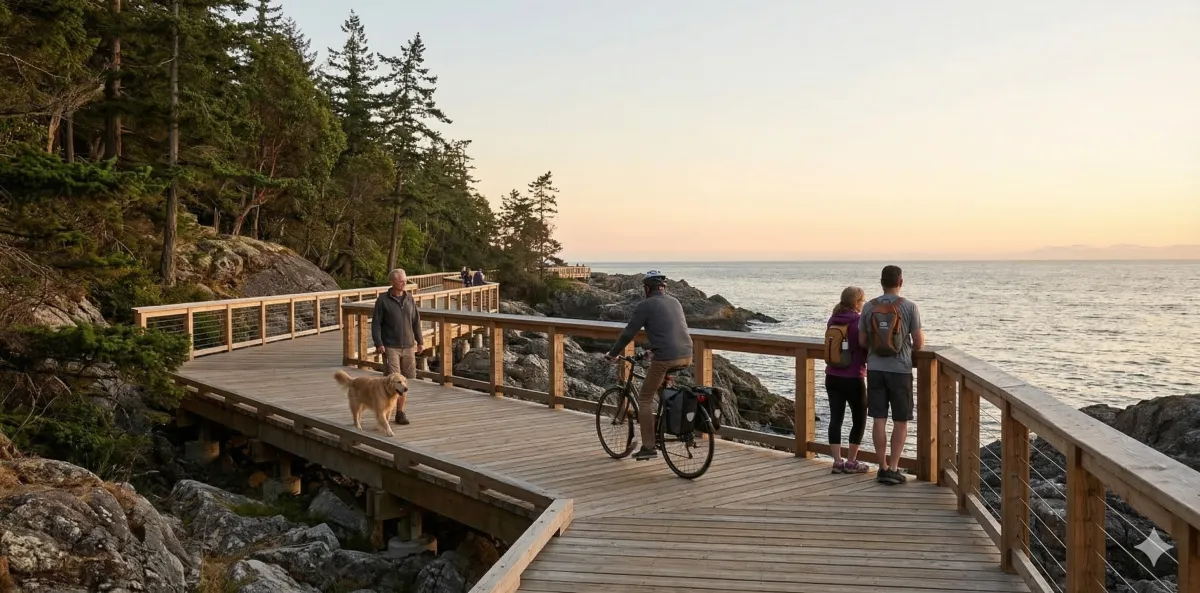
A farmers’ market that locals rely on for fresh food also becomes a wonderful discovery point for travellers. A community festival that celebrates regional traditions naturally attracts visitors who want to experience something genuine. A trail system built for local recreation quickly becomes an appealing draw for outdoor travellers. In each case, tourism grows organically from something that already serves the community.
What’s interesting is that when tourism integrates itself this way, it often becomes more sustainable over time. Visitor patterns fluctuate. Seasons change. Economic conditions shift. But locals remain. When experiences are designed with them in mind, there’s a baseline level of activity that doesn’t depend entirely on out-of-town demand. That stability gives businesses and destinations breathing room, which in turn allows them to continue welcoming visitors without feeling overextended.
There’s also a deeper social dynamic at play. When locals feel that tourism contributes positively to their daily lives, they become natural ambassadors for the place they call home. They share recommendations freely. They help visitors feel comfortable navigating the area. They tell the small stories that don’t appear in brochures but often become the most memorable parts of a trip.
Tourism stops being a transaction and starts becoming a relationship.
I’ve seen this play out repeatedly in communities across Canada, particularly in smaller towns where the line between “tourism infrastructure” and “community infrastructure” is often thin. A well-loved bakery becomes a must-visit stop for travellers. A community art walk becomes a regional attraction. A simple lakeside gathering spot becomes the kind of place people photograph and share widely. None of those examples were designed as tourist traps. They were simply places that locals valued first.
From where I sit, building systems that help tourism operators connect with travellers more effectively, this dynamic is worth paying attention to. The industry sometimes spends enormous energy trying to manufacture experiences that feel distinctive, when in reality the most distinctive parts of a place often already exist within the community itself.
The role of tourism, at its best, is to create pathways for visitors to discover those things respectfully. That might mean ensuring experiences are priced and scheduled in ways that remain accessible to locals. Over the years, when visiting Isla Mujeres in Mexico, I noticed the local taxi drivers charged me one price, while the residents paid a very different price. And that was exactly the right move. It might mean collaborating with community groups when designing new events or attractions to make sure you're not cannibalising an existing community run event that's been running annually for 20 years. For a region that becomes particularly busy at certain times of the year, it might mean creating a line at the till in the local coffee shop that's exclusive to residents, who could be on their way to work, not off to enjoy a day of sightseeing and museums. It might also mean thinking carefully about how visitor traffic flows through a neighbourhood so that it enhances rather than disrupts everyday life.
None of this requires grand gestures. Often it’s a matter of small decisions made thoughtfully over time.
There’s also something powerful about recognising that tourism can improve quality of life locally when it’s handled well. Revenue generated by visitors supports restaurants, guides, artists, and small business owners who live in the community year-round. That economic activity can help sustain services, public spaces, and cultural initiatives that locals benefit from directly. In that sense, tourism isn’t only about drawing people in. It’s also about strengthening the place they’re arriving into.
Of course, balance matters. Too much visitor pressure can strain infrastructure and erode the very character that made a destination appealing in the first place. Communities around the world are wrestling with that reality. But thoughtful tourism design, the kind that centres both locals and travellers, tends to move in a healthier direction. It asks not just how many people can visit, but how those visits can contribute positively.
The encouraging part is that many tourism operators already think this way instinctively. They’re members of the communities they operate in. Their kids go to school there. Their friends gather at the same cafés and parks as everyone else. When they build experiences that feel welcoming and genuine, they’re building something they want to enjoy as well.
And that tends to be the sweet spot.
Visitors are welcomed into places that are alive with local energy. Communities benefit from the economic and cultural exchange tourism brings. Operators build businesses that feel rooted rather than performative. Everyone moves through the space with a little more shared understanding.
Tourism, in that sense, becomes less about drawing lines between locals and visitors, and more about creating spaces where both feel comfortable. When that balance is achieved, something distinctly wonderful happens. A place becomes known not only for attracting travellers, but for being somewhere people genuinely love to live.
And that’s a pretty strong foundation for any destination.
Ready to support the sector that supports us all?
#GetRoaming and let’s build a more connected, resilient, and thriving Canada, one traveller, one town, one story at a time.
Yours in tourism, innovation and startups,

Founder, Roamlii